
EU Vape Logistics Shipping Customs and Traceability

Introduction
A delivery address does not tell the whole story of a regulated product shipment. Businesses should understand the route, the responsible importer, the customs documents and the records needed to trace a product after delivery.
Map the route
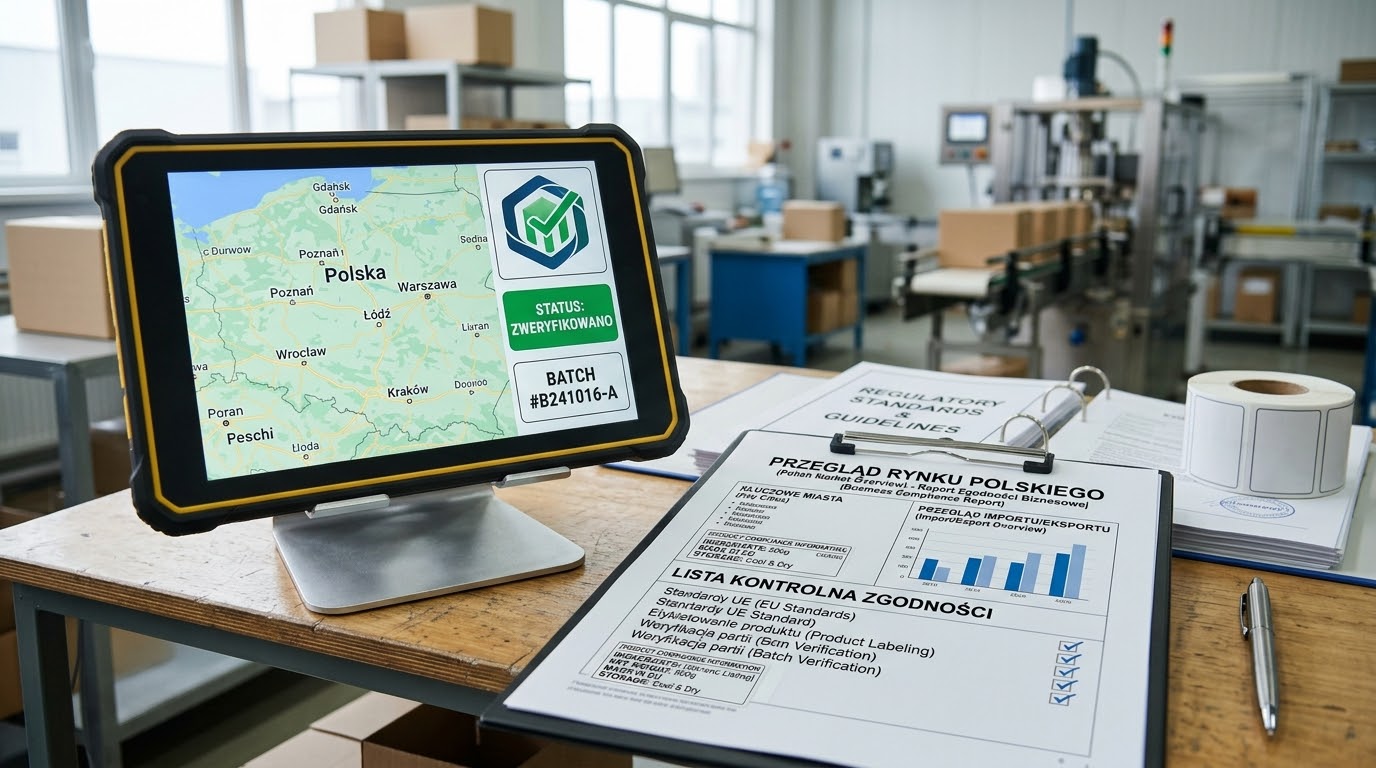
Record the manufacturing location, dispatch warehouse, transit countries, final destination and delivery carrier. Confirm whether goods are imported into the EU before resale and identify who acts as importer of record.
Confirm commercial documents
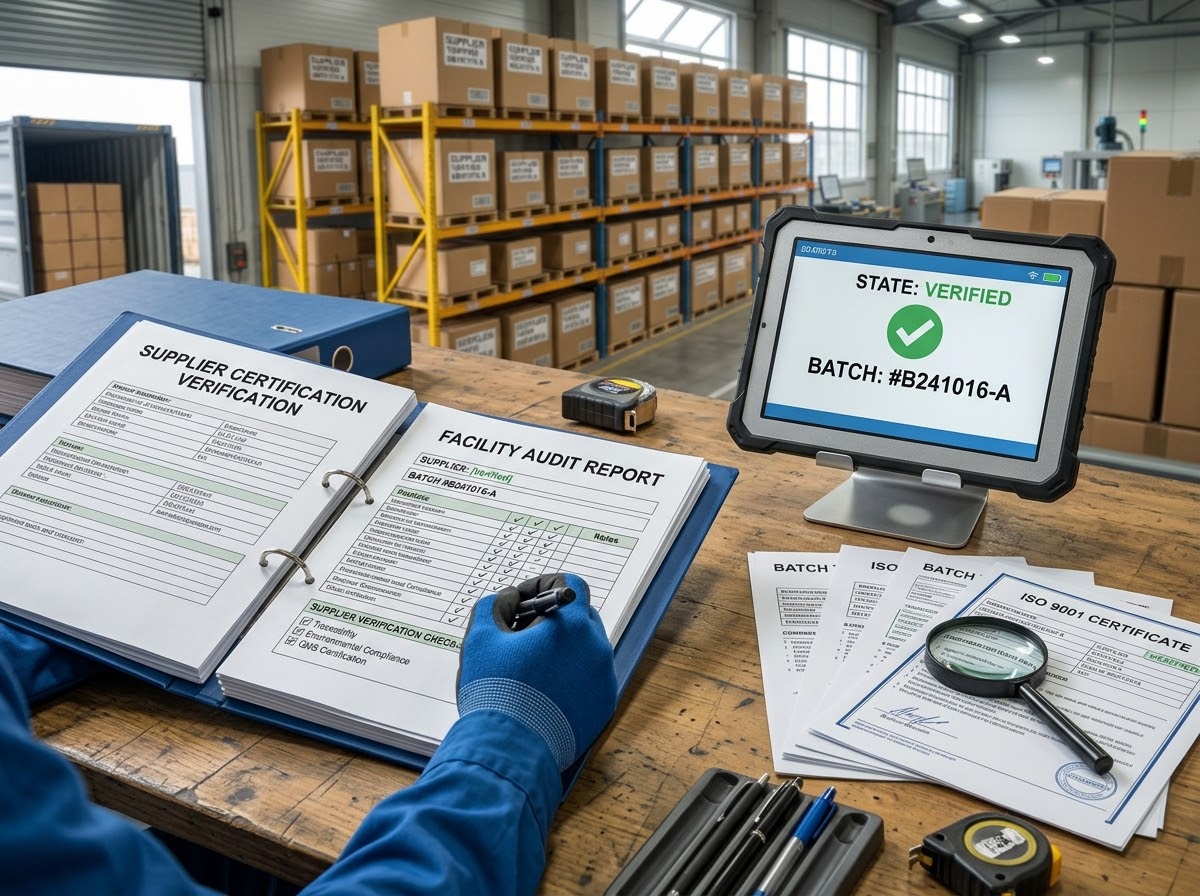
The invoice, packing list, product description, quantities and company identities should be consistent. Ask which documents accompany the shipment and who is responsible for duties, taxes and required marks or declarations.
Build traceability
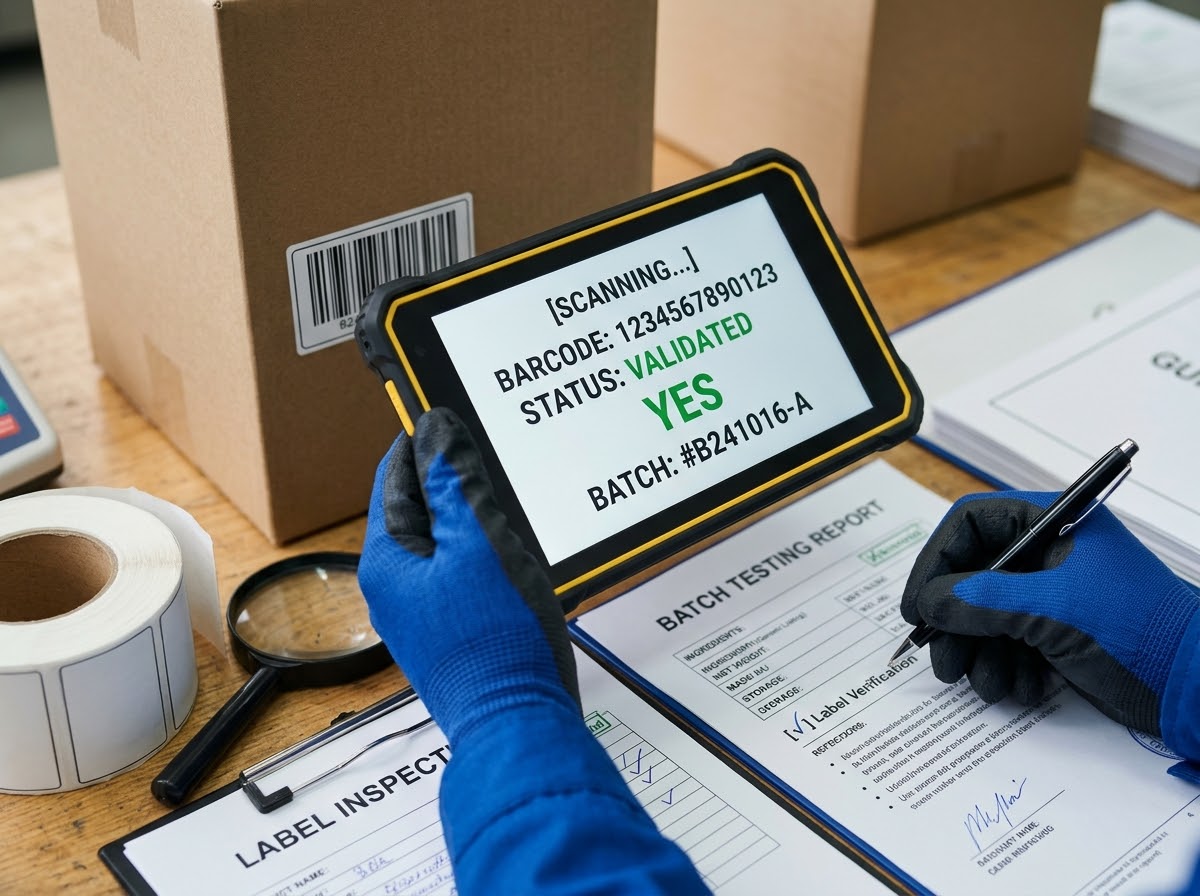
Record order number, product model, batch number, carton number, dispatch date and recipient. A traceable record helps a business identify affected stock if a complaint, defect or recall occurs.
Plan for exceptions
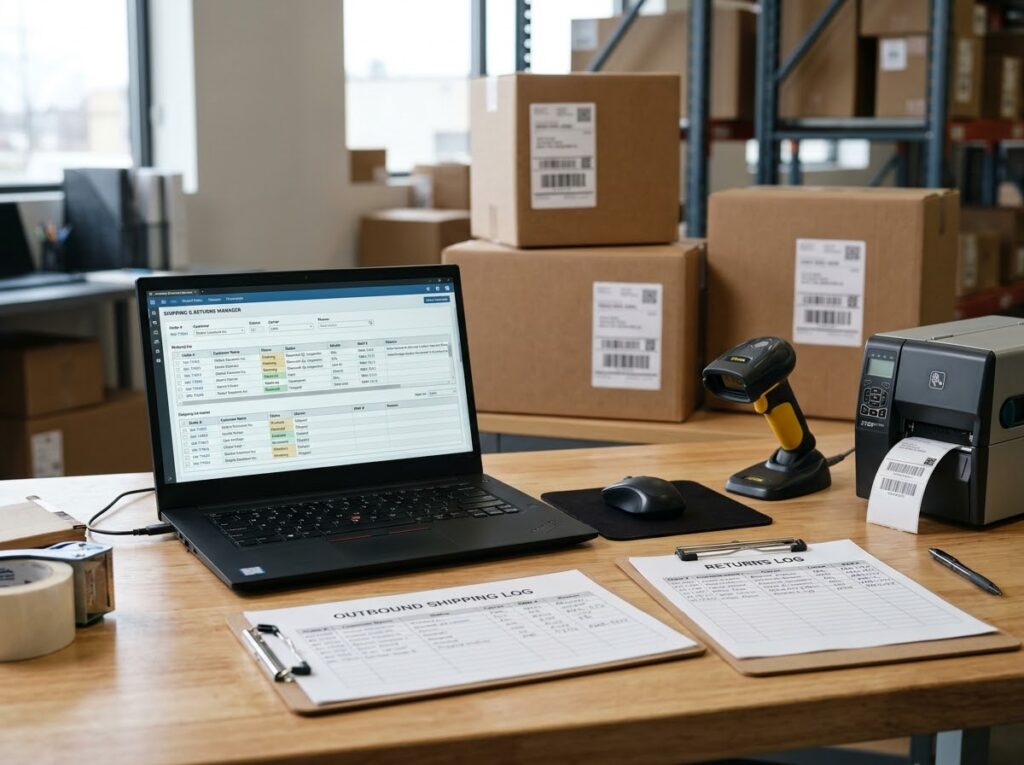
Agree in advance how the supplier handles damaged goods, shortages, customs holds, refused deliveries and product complaints. Put the process in the commercial terms rather than relying on informal messages.
Conclusion
Reliable logistics combine a clear route, consistent documents, defined responsibilities and batch-level records. That is more useful than simply promising fast delivery.
Suggested internal links: Link relevant phrases to your actual EU compliance guide, supplier review page, shipping page, contact page and returns policy URLs.
You can import and hold stock yourself, use a third-party logistics provider, or have the supplier ship directly. Self-import gives you the most control and makes you the importer of record, which is the clearest compliance position but the heaviest operational load. A 3PL can act as importer of record or receive goods you already imported, and dropshipping from outside the EU usually pushes the compliance responsibility onto you anyway. Pick the model based on volume and margin, but in every model write down who is the importer of record, because that single line decides who answers a customs or enforcement query.
Vape devices and liquids move under specific tariff codes, commonly 8543.70 for electronic devices and 2404.11 for nicotine-containing products, though you should confirm the current code with your broker. The commercial invoice should state the product type, the nicotine status, the liquid volume, the quantities, and the identities of the buyer and the seller, and it must match the packing list and the notification. Excise movement between EU countries follows its own paperwork, and batch serialisation helps if a product is questioned after delivery. Keep a copy of every customs entry with the batch number so a single parcel can always be traced.
Choosing a fulfilment model
You can import and hold stock yourself, use a third-party logistics provider, or have the supplier ship directly. Self-import gives you the most control and makes you the importer of record, which is the clearest compliance position but the heaviest operational load. A 3PL can act as importer of record or receive goods you already imported, and dropshipping from outside the EU usually pushes the compliance responsibility onto you anyway. Pick the model based on volume and margin, but in every model write down who is the importer of record, because that single line decides who answers a customs or enforcement query.
Customs practicalities for vape shipments
Vape devices and liquids move under specific tariff codes, commonly 8543.70 for electronic devices and 2404.11 for nicotine-containing products, though you should confirm the current code with your broker. The commercial invoice should state the product type, the nicotine status, the liquid volume, the quantities, and the identities of the buyer and the seller, and it must match the packing list and the notification. Excise movement between EU countries follows its own paperwork, and batch serialisation helps if a product is questioned after delivery. Keep a copy of every customs entry with the batch number so a single parcel can always be traced.
Frequently asked questions
Who acts as importer of record?
It is the entity that formally brings the goods into the EU and accepts the compliance and tax responsibility. Decide and document this before the first shipment, because it is the single most important customs question.
Which HS codes apply to vapes?
Devices often fall under 8543.70 and nicotine-containing products under 2404.11, but codes change and vary by configuration. Confirm with your customs broker rather than copying an old shipment.
How do I prove traceability after delivery?
Keep the batch number linked to the purchase order, the customs entry, and the delivery record in one place. If a unit is questioned, you should be able to name the exact batch and route within minutes.
What happens if a shipment is held at customs?
Customs typically asks for the invoice, the product description, and proof the product is notified. Having those documents ready, with the importer of record clearly named, resolves most holds quickly.
Related reading
EU Vape Product Documentation for Retailers
Проверка при избор на доставчик на вейпове на едро в ЕС