EU Vape Product Documentation for Retailers
Why documentation matters
Product documentation helps a retailer understand what it is buying, who is responsible for it and whether the product can be traced after delivery. It also makes complaints, recalls and customer questions easier to handle.
The basic product file
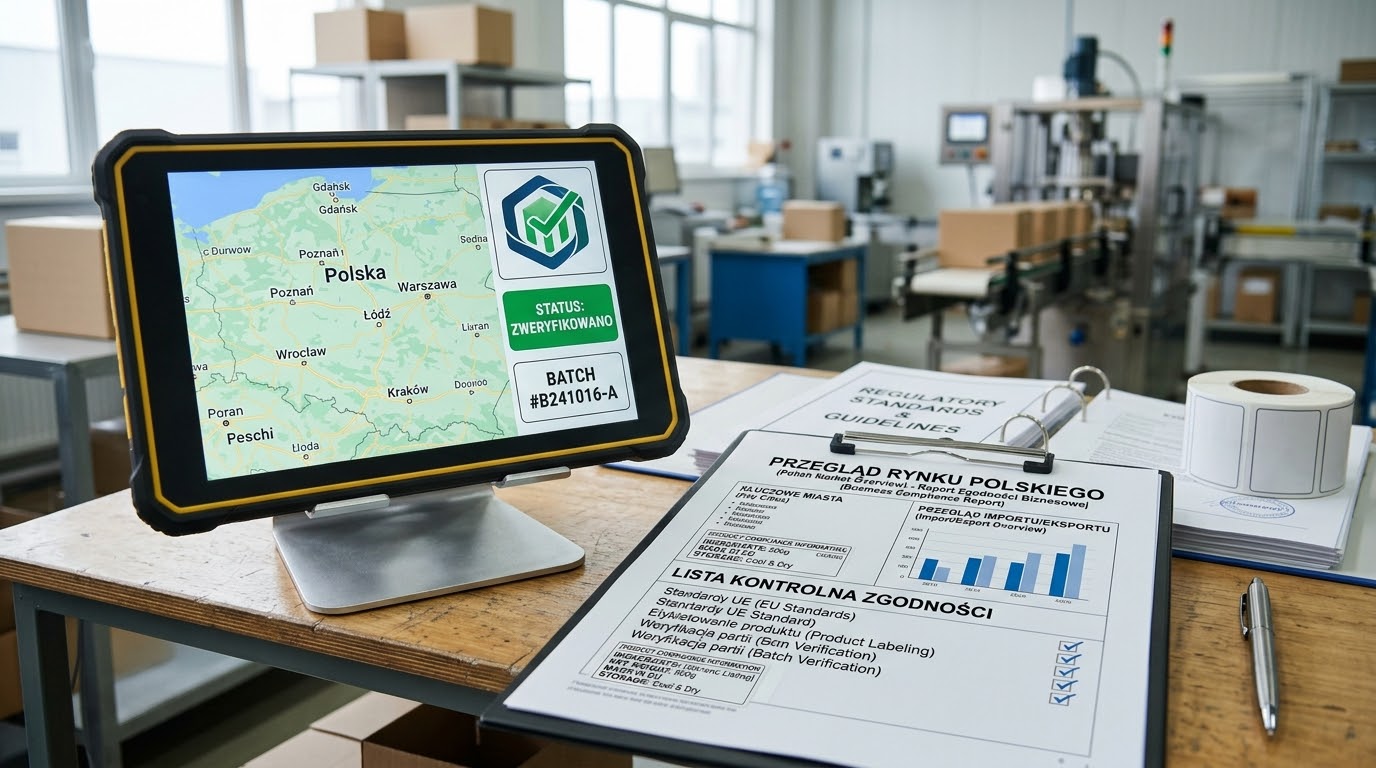
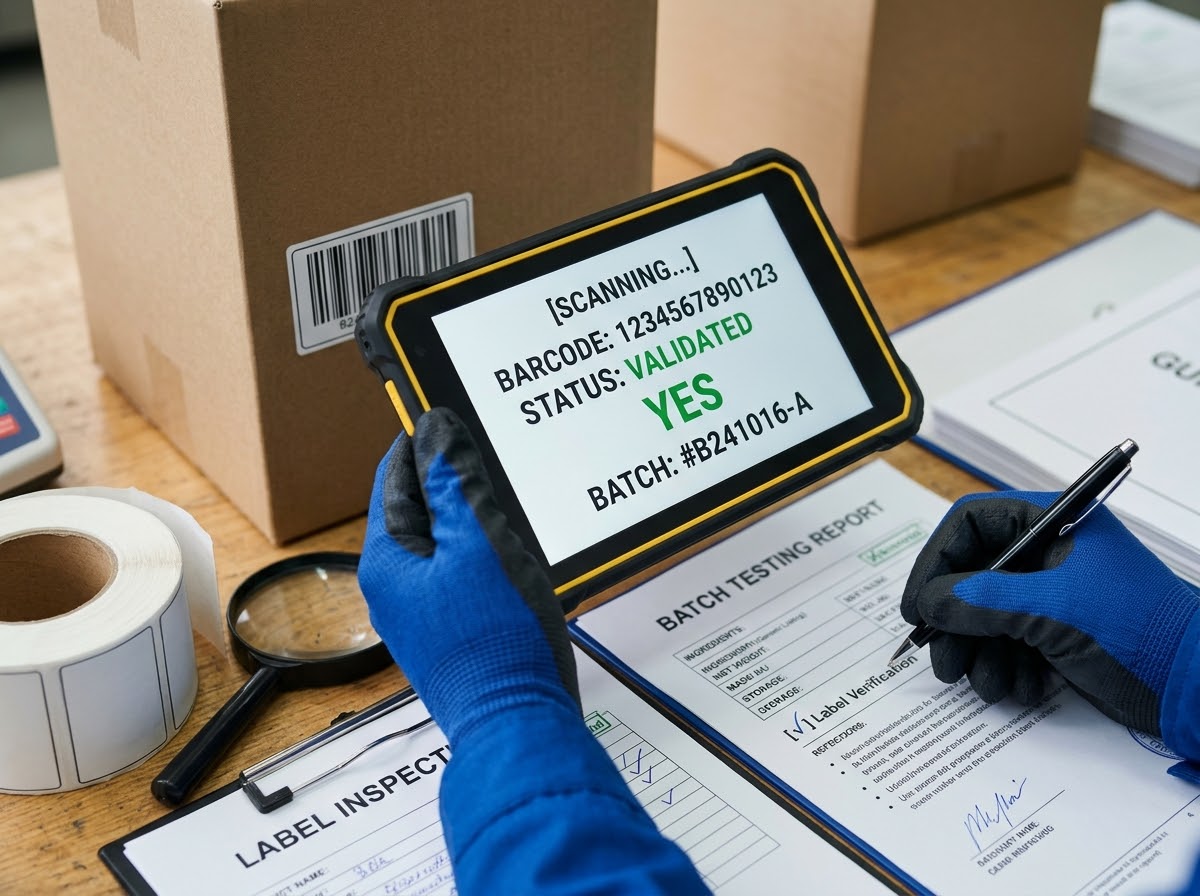
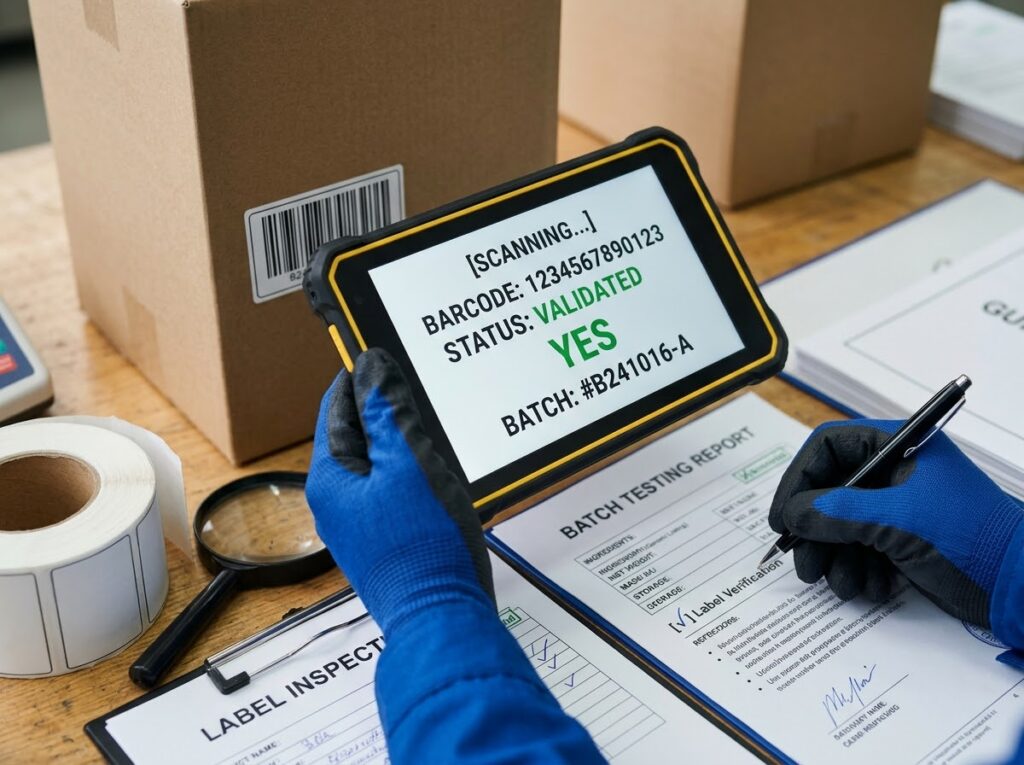
Keep the product name, model number, product type, nicotine status, strength, liquid volume, battery information, packaging photographs, batch number and manufacturer details together in one file. Update the file when the product or packaging changes.
Documents to request
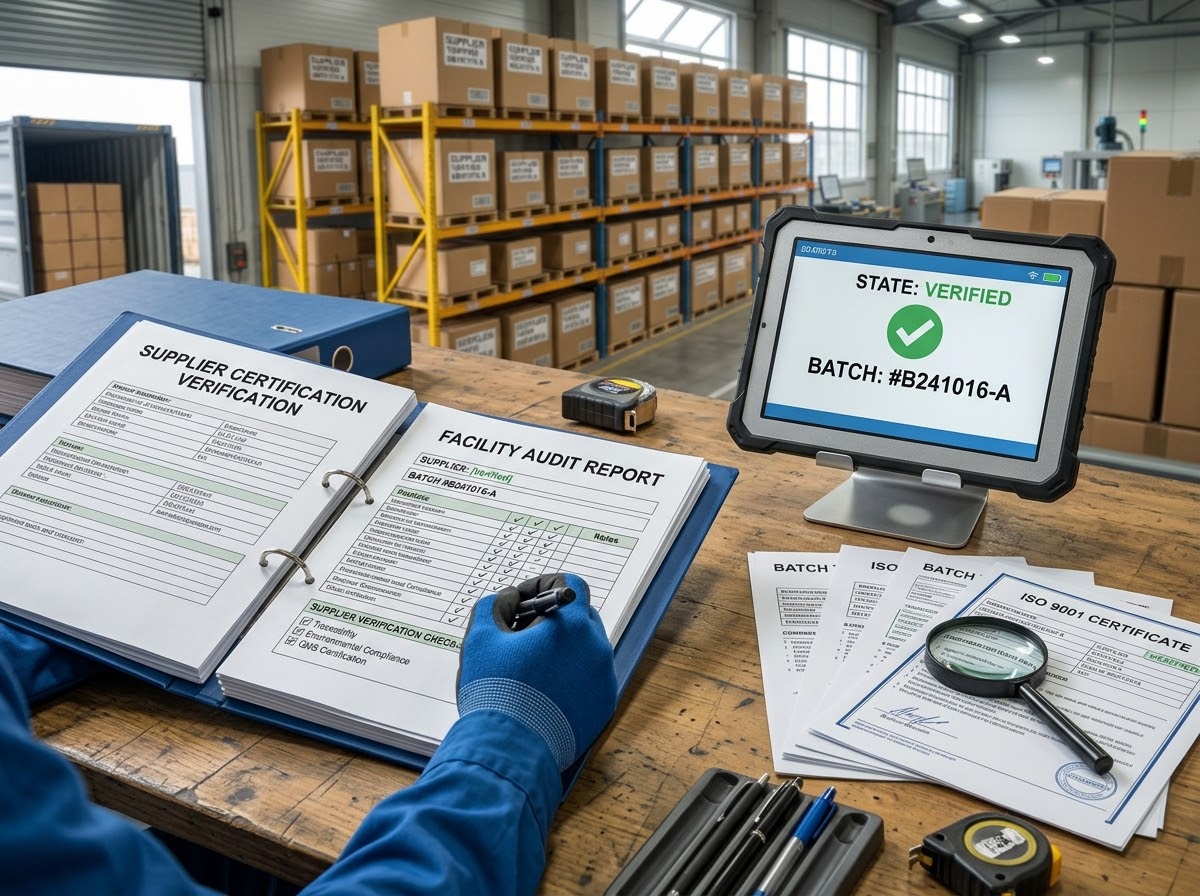
Ask the supplier for product specifications, available laboratory or safety reports, ingredient information where relevant, notification or submission details, packaging artwork, importer information and shipping documents. Ask what each document covers and whether it applies to the exact SKU.
Do not confuse documents
A factory certificate is not necessarily a product certificate. A shipping invoice is not proof of market compliance. A laboratory report may describe a sample rather than every later batch. Read the scope, date, model and issuing party on each document.
A practical approval workflow
Use four stages: collect the file, compare documents with the physical sample, obtain local review where needed, and approve only the exact SKU and destination market. Keep the approval decision with the supporting documents.
Conclusion
Good documentation is not paperwork for its own sake. It is the system that lets a retailer know what was purchased, where it came from and what should happen if a problem appears.
Suggested internal links: Link relevant phrases to your actual EU compliance guide, supplier review page, shipping page, contact page and returns policy URLs.
The exact file depends on the product. For a complete device, keep the model number, the battery specification including capacity and transport compliance, the intended use, and the notification proof. For a refill container, add the nicotine strength, the liquid volume, ingredient information where relevant, and the child-resistant packaging proof. For bulk liquid, keep the batch number, the strength, and a safety or composition statement. For spare parts, keep the compatibility and material information. Build the file once per SKU and attach the purchase order and the batch number so it stays tied to a specific delivery.
Create one folder per SKU and name files consistently, for example BRAND_MODEL_LANGUAGE_YYYYMM. Store the supplier's documents, your own inspection notes, and the batch number in the same place. Update the file whenever the product, the packaging, or the responsible person changes, and keep the previous version rather than overwriting it. A simple test works well: if you would struggle to answer a customer question or handle a recall within an hour, the file is incomplete. Most retailers underestimate how often packaging changes, so review the file at least every quarter.
Minimum document set by product type
The exact file depends on the product. For a complete device, keep the model number, the battery specification including capacity and transport compliance, the intended use, and the notification proof. For a refill container, add the nicotine strength, the liquid volume, ingredient information where relevant, and the child-resistant packaging proof. For bulk liquid, keep the batch number, the strength, and a safety or composition statement. For spare parts, keep the compatibility and material information. Build the file once per SKU and attach the purchase order and the batch number so it stays tied to a specific delivery.
How to store and version documents
Create one folder per SKU and name files consistently, for example BRAND_MODEL_LANGUAGE_YYYYMM. Store the supplier's documents, your own inspection notes, and the batch number in the same place. Update the file whenever the product, the packaging, or the responsible person changes, and keep the previous version rather than overwriting it. A simple test works well: if you would struggle to answer a customer question or handle a recall within an hour, the file is incomplete. Most retailers underestimate how often packaging changes, so review the file at least every quarter.
Frequently asked questions
Which documents are legally required versus recommended?
Notification and responsible-person details are generally required; lab and safety reports are strongly recommended and often expected during an inspection. Treat the recommended set as the minimum you should hold.
How long must I keep product records?
Retention rules vary, but keeping documentation for the life of the product plus several years after the last sale is a safe default that covers most recalls and audits.
What if a supplier cannot provide a lab report?
Ask why, and consider commissioning your own test before you list the product. A supplier that cannot show basic safety documentation is a risk regardless of price.
Do private-label products need different documents?
The product file is similar, but you become more exposed: you should hold the manufacturer's documentation and be able to show your own responsible-person and notification chain clearly.
Related reading
Cluster de conținut PuffCell EU